NG-CDF Introduces QR Code System to Boost Transparency, Accountability in Constituency Projects

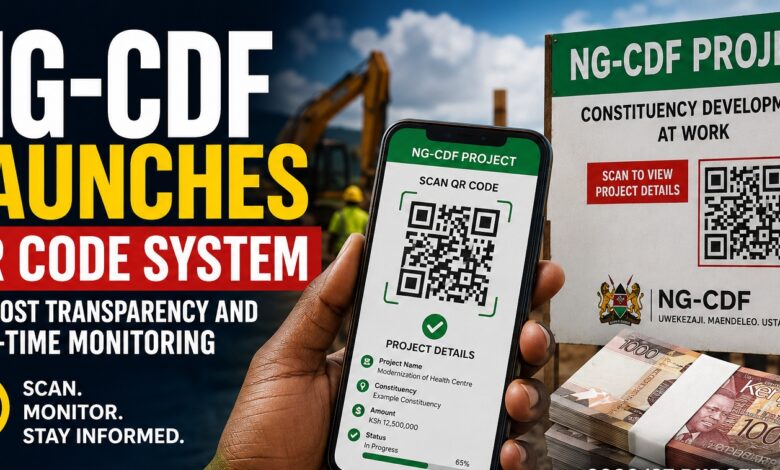
The National Government Constituencies Development Fund (NG-CDF) Board has unveiled a Quick Response (QR) Code system aimed at enhancing transparency, accountability, and real-time monitoring of development projects across the 290 constituencies.
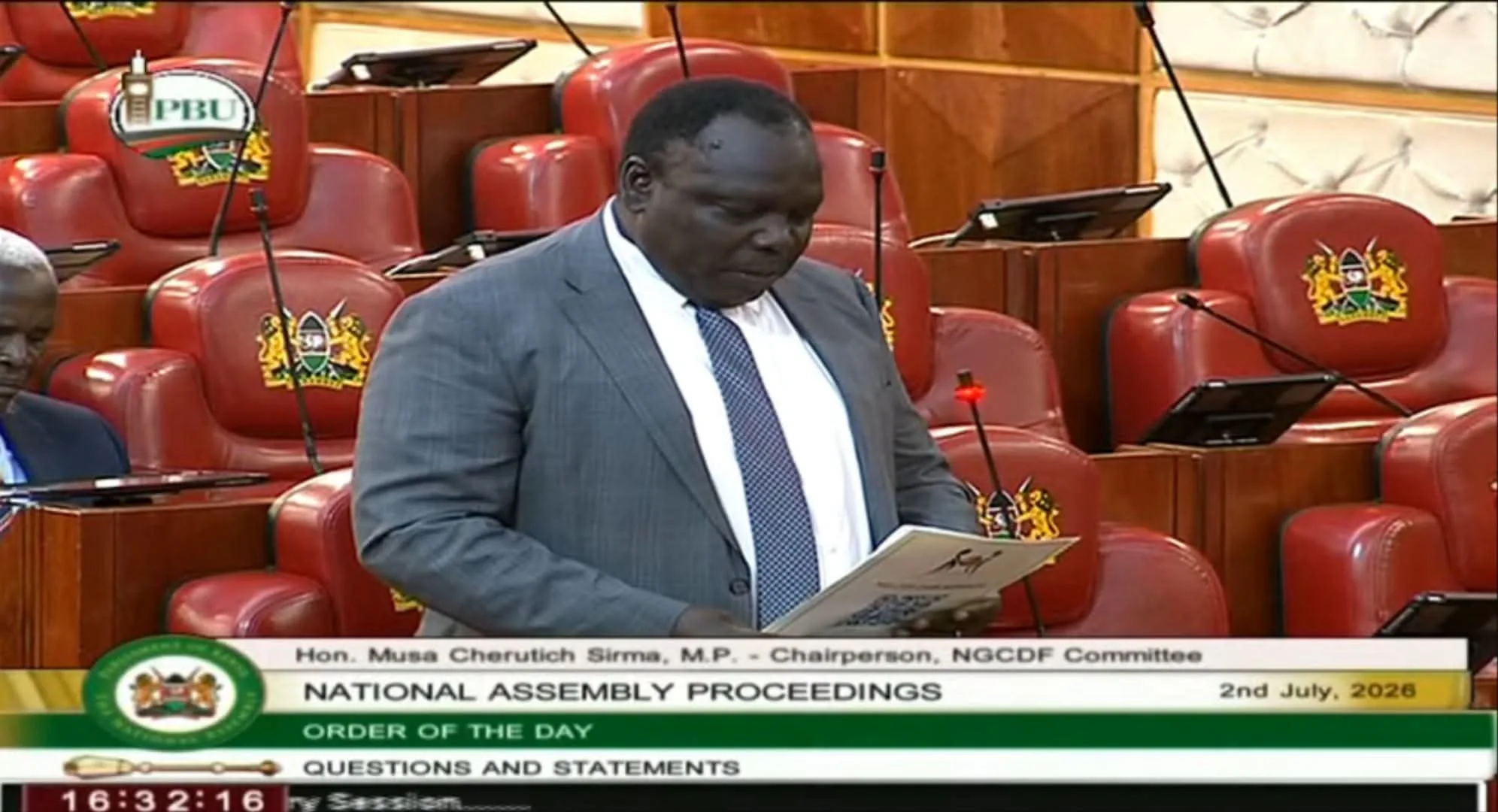
The initiative was presented in Parliament on Thursday, July 2, 2026, by NG-CDF Committee Chairperson and Eldama Ravine MP Musa Sirma alongside the 2026/2027 budget ceilings.
According to Sirma, the QR code system will bridge information gaps by allowing members of the public to easily access details on NG-CDF projects, including funding, implementation progress, and completion status, simply by scanning codes displayed at project sites.
Speaking after the presentation, NG-CDF Board Acting Chief Executive Officer Benjamin Magut described the innovation as a major milestone in strengthening public accountability.
“The QR code is more than a piece of technology. We are not just digitising a process; we are opening a door through which accountability walks in and bureaucracy walks out,” Magut said.
NG-CDF Budget Increased to KSh61.8 Billion
The rollout comes as Parliament approved KSh61.8 billion for the NG-CDF in the 2026/2027 financial year, representing a 5.1% increase from last year’s KSh58.8 billion allocation.
Of the total amount:
KSh3.09 billion (5%) has been allocated for the Board’s administration and operations.
KSh58.71 billion will fund constituency development projects.
Each of Kenya’s 290 constituencies will receive an equal allocation of KSh151.83 million, while an additional KSh14.68 billion will be distributed based on the number of wards in each constituency.
Sirma also urged Members of Parliament to submit their project proposals for the 2026/2027 financial year by July 31, 2026, to ensure timely implementation.
EACC Continues Investigations into Misuse of NG-CDF Funds
The introduction of the QR code system follows growing concerns over the misuse of NG-CDF funds.
In March 2026, the Ethics and Anti-Corruption Commission (EACC) revealed it was investigating 67 cases involving alleged corruption, including procurement fraud, ghost projects, inflated project costs, proxy contracting, kickbacks, and bursaries awarded to non-existent students.
One of the cases under investigation involves a contractor alleged to have irregularly secured 49 tenders worth more than KSh66 million across 11 counties.
The NG-CDF Board says the new QR code system will empower citizens to track constituency projects more easily while strengthening transparency, accountability, and public oversight in the use of public funds.